
Introduction
For Caribbean medical students aiming to secure a U.S. residency, U.S. Clinical Experience (USCE) plays a critical role. Clinical rotations in the United States allow students to gain hands-on exposure to the American healthcare system while strengthening their residency applications.
This guide explains what U.S. clinical rotations are, how they work for Caribbean students, available opportunities, benefits, challenges, and proven strategies to successfully navigate the process.
What Are Clinical Rotations / USCE and Why They Matter
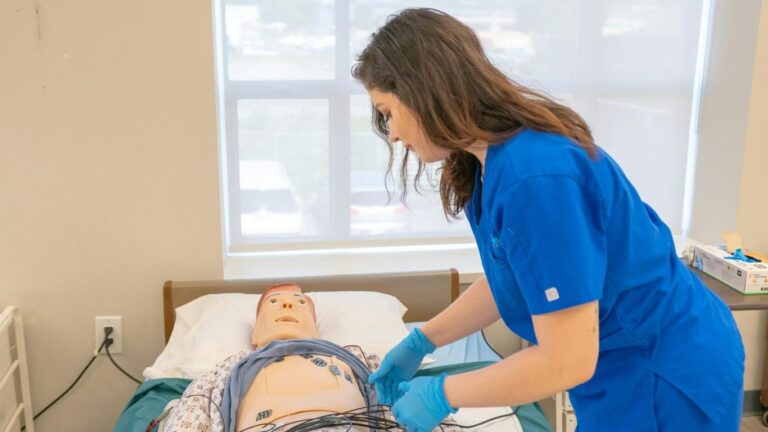
Clinical rotations—also known as clerkships—are supervised, hands-on training experiences usually completed during the third and fourth years of medical school. During these rotations, students actively participate in patient care across hospital and clinical settings.
U.S. Clinical Experience (USCE) refers specifically to rotations completed in U.S.-based hospitals or clinics.
Why USCE Is Important for Caribbean Medical Students
- Exposure to the U.S. healthcare system: Learn clinical workflows, documentation standards, and patient-care expectations.
- Stronger residency applications: Many U.S. residency programs prefer applicants with U.S. clinical experience.
- Networking & Letters of Recommendation (LORs): Build relationships with U.S. attending physicians.
- Licensing & matching advantage: Supports ECFMG certification and residency matching success.
U.S. Clinical Rotation Opportunities for Caribbean Students
Many Caribbean medical schools either include U.S. clinical rotations as part of their curriculum or assist students in arranging externships, electives, or observerships.
Examples of Caribbean Schools Offering U.S. Clinical Rotations
- Saint James School of Medicine – Offers elective USCE programs across multiple specialties.
- St. George’s University (SGU) – Provides access to over 85 hospitals and health systems in the U.S. and Canada.
- American University of Barbados (AUB) – Includes 72 weeks of clinical rotations, with training sites in the U.S. and Caribbean.
- Bioprist Institute of Medical Sciences (BIMS) – Offers clinical training in the U.S., Canada, and the Caribbean.
- Windsor University School of Medicine – Provides core and elective clerkships in multiple medical and surgical specialties.
Key Features & Requirements of U.S. Clinical Rotations
When Do Rotations Begin?
- Typically after completing basic sciences (Year 2)
- Some hospitals require USMLE Step 1 completion
Core vs Elective Rotations
- Core rotations: Internal Medicine, Surgery, Pediatrics, Psychiatry, OB/GYN
- Electives: Emergency Medicine, Cardiology, Neurology, Anesthesiology, etc.
Duration
- Most programs offer around 72 total clinical weeks (core + electives)
Accreditation
- Rotations at ACGME-accredited hospitals carry more weight for U.S. residency applications.
Visa & Legal Requirements
- Non-U.S. citizens require proper visa authorization
- Visa delays or hospital eligibility issues may occur
Application & Documentation
- Immunizations, background checks, drug screening
- Malpractice insurance
- Applications via VSAS or hospital-specific systems
Challenges Caribbean Students Should Be Aware Of
1. Limited Rotation Slots
- Priority often given to U.S. medical students
- Strong school affiliations improve placement chances
2. Visa & Immigration Issues
- Some hospitals do not provide visa support letters
- Processing delays or denials can impact schedules
3. Cost Considerations
- Travel, housing, insurance, rotation fees
- Some schools bundle costs; others charge per rotation
4. Quality & Recognition
- Not all rotation sites offer equal exposure or evaluation quality
- ACGME-accredited hospitals are preferred
5. Administrative Logistics
- Strict deadlines for paperwork and immunizations
- Scheduling gaps between rotations may occur
Proven Strategies to Maximize Your USCE Success
- Choose a Caribbean medical school with strong U.S. hospital affiliations
- Plan early: Start paperwork, visas, and immunizations in advance
- Target ACGME-accredited hospitals
- Do audition rotations at residency programs of interest
- Perform professionally and request strong LORs
- Stay flexible with location and specialty options
- Budget carefully for added expenses
Clinical Rotation Timeline Overview
Pre-Clinical Years (Years 1–2)
- Basic sciences
- USMLE Step 1 preparation
- Credential and immunization readiness
Rotation Planning Phase
- Apply for hospitals and electives
- Secure visa documentation
- Confirm rotation schedules
Clinical Years (Years 3–4)
- Complete core and elective rotations
- Collect evaluations and LORs
- Prepare for USMLE Step 2
Post-Rotation Phase
- Residency application preparation
- Specialty selection
- Match process
Real-World Outcomes & Success Indicators
- SGU reports partnerships with 85+ U.S. hospitals
- Some schools guarantee no waiting periods between rotations
- Many Caribbean schools integrate USMLE preparation with clinical training
What to Verify Before Choosing a School or Rotation
- Guaranteed U.S. clinical rotation weeks
- Affiliated hospitals & ACGME accreditation
- Visa and housing support
- Additional rotation costs
- U.S. residency match rates
- Evaluation and LOR process
Final Thoughts
U.S. clinical rotations are a critical stepping stone for Caribbean medical students pursuing residency in the United States. With proper planning, strategic school selection, and strong performance, USCE can significantly improve your chances of matching into a U.S. residency program.