
Introduction: The Caribbean as a Global Medical Education Hub
The Caribbean is widely known for its beautiful islands, diverse cultures, and welcoming communities. However, beyond tourism, the region has emerged as a significant destination for medical education. Over the past few decades, medical education in the Caribbean has experienced remarkable growth, attracting students from around the world who aspire to become doctors.
This transformation did not happen overnight. It is the result of historical influences, educational reforms, and the global demand for medical professionals. Let’s explore how Caribbean medical schools evolved and what the future holds.
Early Foundations: Colonial Influence on Medical Training
The roots of Caribbean medical education date back to the colonial era of the 19th and early 20th centuries. European powers such as Britain, France, Spain, and the Netherlands introduced basic healthcare systems primarily to serve colonial administrators and military personnel.
During this period, formal medical training opportunities within the Caribbean were extremely limited. Students who wanted to pursue a medical degree were often required to travel abroad—mainly to the United Kingdom or the United States. This resulted in:
- Limited access to local medical education
- Shortages of trained healthcare professionals
- Heavy reliance on foreign-trained doctors
These challenges highlighted the urgent need for regional medical institutions.
The Rise of Offshore Medical Schools in the Caribbean
A major turning point came in the 1970s, with rapid expansion occurring throughout the 1990s and early 2000s. This era saw the establishment of numerous offshore medical schools in the Caribbean, designed mainly for international students—especially from the U.S. and Canada.
Many students choose to study medicine in the Caribbean because:
- Admission requirements are more flexible
- U.S.-style medical curricula are followed
- Clinical rotations are completed in the U.S., Canada, or the U.K.
Initially, offshore schools faced criticism regarding quality and regulation. However, over time, many institutions improved their academic standards and achieved international recognition.
Accreditation and Quality Assurance in Modern Times
Today, the Caribbean is home to over 60 medical schools, ranging from globally accredited institutions to newer, developing programs. To ensure quality and protect students, accreditation has become a critical factor.
Key accrediting bodies include:
- CAAM-HP (Caribbean Accreditation Authority for Education in Medicine and other Health Professions)
- International medical education regulators recognized by the World Federation for Medical Education (WFME)
Accreditation helps students identify recognized and accredited Caribbean medical schools, ensuring eligibility for licensing exams and postgraduate training.
Benefits of Medical Education Growth in the Caribbean
The expansion of medical education has delivered long-term benefits to both the region and the global healthcare system:
- Increased access to medical training for Caribbean nationals
- Economic growth driven by international student enrollment
- Strengthening of healthcare systems in underserved regions
- Contribution of Caribbean-trained doctors to global medical workforce
Many graduates now serve in rural and underserved communities worldwide, making a meaningful global impact.
The Future of Medical Education in the Caribbean
The future of medical education in the Caribbean is promising but requires strategic planning and investment. Key areas of development include:
🔹 Stronger Accreditation & Regulation
Ensuring consistent academic standards across all medical institutions.
🔹 Infrastructure & Research Development
Especially within public universities such as the University of the West Indies (UWI).
🔹 Regional Collaboration
Sharing resources among island nations to overcome funding and scale limitations.
🔹 Technology Integration
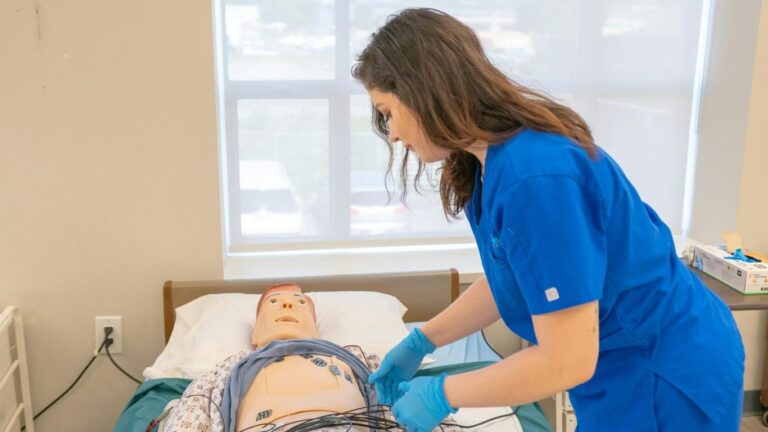
Use of virtual learning platforms, simulation labs, telemedicine, and AI-based medical training.
Conclusion
From its colonial beginnings to becoming a recognized global hub for medical education, the Caribbean’s journey reflects resilience, innovation, and growth. With respected institutions, improving accreditation standards, and modern educational approaches, the region continues to shape the future of medicine.
For aspiring doctors seeking quality education and global opportunities, the Caribbean offers more than scenic beauty—it offers a gateway to a successful medical career.