
Overview: What Is a Caribbean MD Program?
A Caribbean MD program is a Doctor of Medicine degree offered by Caribbean medical schools, primarily designed for students who plan to practice medicine in the United States, Canada, or other international healthcare systems.
These programs closely follow North American medical education standards, while operating from Caribbean campuses and affiliated teaching hospitals abroad. For many students, studying medicine in the Caribbean provides a practical and achievable pathway into the medical profession.
Typical Structure of a Caribbean MD Program
Although individual schools may vary, most MD programs in the Caribbean follow a two-phase academic structure:
Phase 1: Preclinical / Basic Medical Sciences (≈ 2 Years)
This phase is typically completed on the Caribbean campus and focuses on building a strong scientific foundation.
Key subjects include:
- Anatomy
- Physiology
- Biochemistry
- Pharmacology
- Microbiology
- Histology
Many Caribbean medical schools use integrated or systems-based curricula (e.g., cardiovascular, respiratory systems) rather than isolated subjects. This approach helps students develop clinical reasoning skills early. Institutions such as ACSOM and MUA follow this modern model.
Learning methods often include:
- Laboratory work and dissections
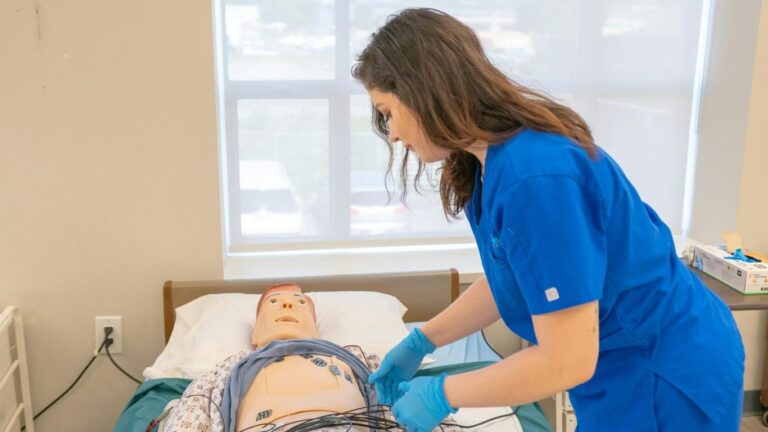
- Simulation-based training
- Small-group discussions
- Early clinical exposure or standardized patient interactions
Phase 2: Clinical Sciences / Clinical Rotations (≈ 1.5–2 Years)
The clinical phase is usually completed in affiliated teaching hospitals, most commonly in the United States, and sometimes in Canada or other approved countries.
Core clinical rotations typically include:
- Internal Medicine
- General Surgery
- Pediatrics
- Obstetrics & Gynecology (OBGYN)
- Psychiatry
- Family Medicine
Students also complete elective rotations, allowing exploration of specialty interests. Clinical training prepares students for licensure exams and residency placement.
Key Components of Caribbean MD Programs
1. Licensing Exam Preparation
Most Caribbean MD curricula are aligned with USMLE requirements. Passing USMLE Step 1 is often mandatory before entering clinical rotations, while Step 2 CK is completed during or after clinical training.
Schools may also use:
- Shelf exams
- Internal assessments
- Dedicated board review periods
2. Transitional or Review Phase
Many Caribbean medical schools include a review or transitional period between basic sciences and clinical rotations. This phase focuses on intensive exam preparation and performance assessment to ensure student readiness.
3. Academic Flexibility & Multiple Start Dates
One advantage of studying medicine in the Caribbean is flexibility:
- Multiple intake periods (January, May, September)
- Continuous academic calendars
- Reduced waiting periods between semesters
This flexibility benefits students who want to begin medical school without long delays.
Accreditation & Recognition
Accreditation is a critical factor when choosing a Caribbean medical school. Programs accredited by recognized regional and international bodies improve eligibility for:
- Licensing exams
- Residency placements
- Medical practice in the U.S., Canada, and other countries
Students should always verify:
- Accreditation status
- Faculty qualifications
- Hospital affiliations
Variations and Specialized Program Models
Caribbean MD programs may offer alternative learning tracks, such as:
- Extended or Decelerated Programs: For students who need additional academic support
- Fast-Track MD Programs: Accelerated preclinical phases (e.g., Trinity School of Medicine’s 16-month basic sciences model)
- Pre-Medical Foundations: Preparatory semesters for students lacking prerequisites (e.g., extended MD tracks offered by some institutions)
Pros and Cons of Caribbean MD Programs
Strengths
- Provides access to medical education for students with limited options elsewhere
- Clinical rotations in internationally recognized hospitals
- Early adoption of integrated and case-based learning
- Strong licensing exam performance at top institutions (e.g., Saba’s USMLE outcomes)
Challenges
- Quality varies across schools
- Total cost can be high (tuition, travel, living expenses)
- Residency matching can be competitive for IMGs
- Rigorous preclinical phase with potential student attrition
What Prospective Students Should Consider
Before enrolling in a Caribbean MD program, students should research:
- Accreditation and recognition status
- Clinical rotation hospitals and affiliations
- USMLE pass rates and outcomes
- Student support services (mentoring, tutoring)
- Curriculum structure (systems-based vs traditional)
- Tuition, fees, and financial aid
- Career and residency placement support
Conclusion
A Caribbean MD program offers a structured, internationally aligned pathway into medicine. With proper research and selection of an accredited institution, students can access high-quality medical education and global career opportunities.
For motivated students willing to work hard and plan strategically, studying medicine in the Caribbean can be a life-changing opportunity.